
Marital Abuse Protection Law
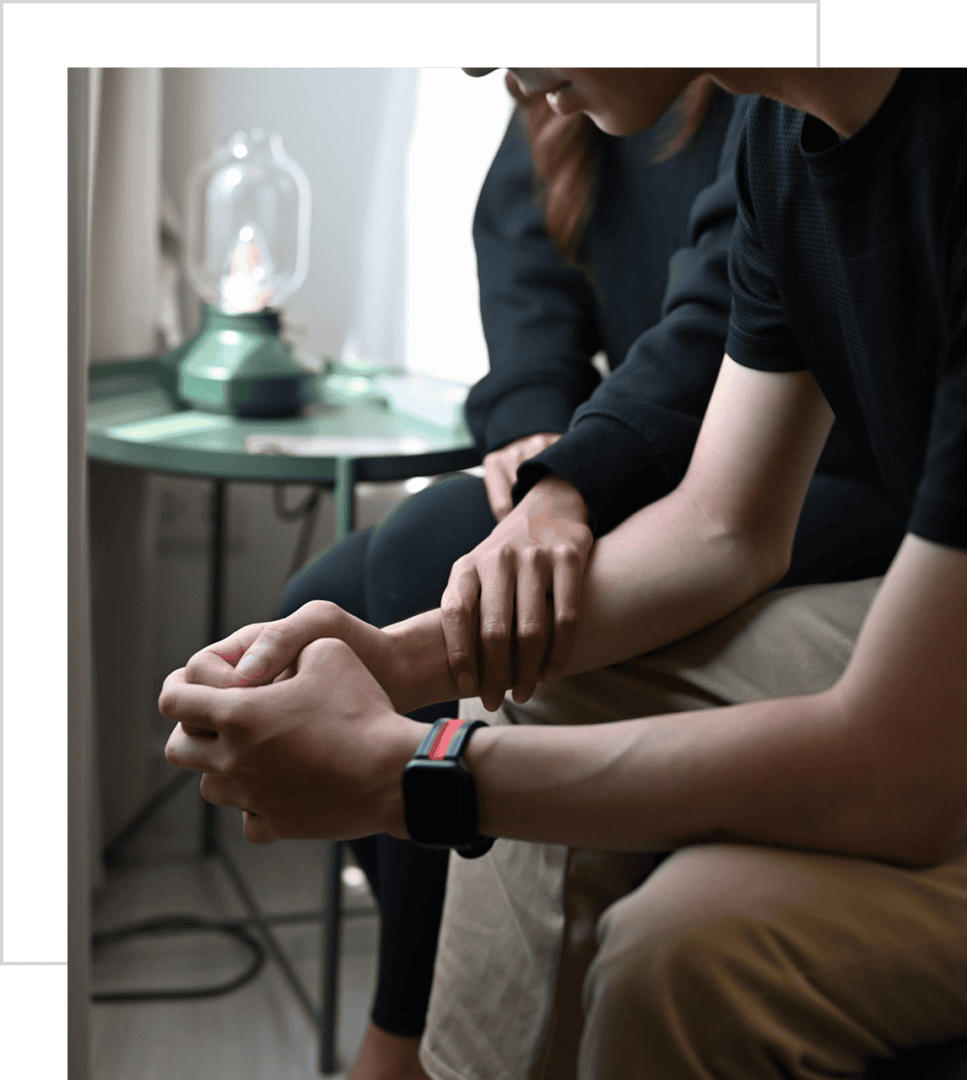
A Note on Immediate Safety
If you're in immediate danger, please call 911, your local domestic violence shelter, or a DV hotline right away. We want to note that opening these types of web pages on a shared or personal device can sometimes leave a trace that an abuser might discover.
Domestic Violence Hotline: (800) 799-7233
TDD: (800) 787-3224
Defining Domestic Violence
We describe domestic violence as abuse or threatened abuse occurring between people who are or were in an intimate relationship, including spouses, domestic partners, current or former dating partners, people who live or lived together, or parents who share a child. It also covers people related by blood or marriage, such as in-laws or grandparents.
Recognizing the Forms Abuse Can Take
We explain to clients that abuse isn't limited to a single type of behavior. It can include:
Intentionally or recklessly causing physical harm or attempting to, such as kicking, shoving, pulling hair, throwing objects, restricting someone's movement, or even harming a family pet
Sexual assault
Conduct that creates a reasonable fear that a person or someone close to them is about to be seriously hurt, including threats
Harassment, stalking, repeated hitting, disturbing someone's peace, or destroying their personal property
Sexual coercion, financial control, psychological and emotional abuse
Abuse Doesn't Have to Be Physical
We always remind clients that verbal, emotional, and psychological abuse counts too, and someone doesn't need to be physically struck to be considered abused. Abusers often rely on a mix of tactics to maintain control over another person.
If you feel afraid or controlled by a partner or someone close to you, we’d encourage speaking with a domestic violence counselor, even if you're unsure whether you want to pursue legal protection.
We ground this area of our practice in California Family Code Section 6203, along with criminal statutes like Penal Code Sections 273.5 and 243(e)(1).
Pursuing a Domestic Violence Restraining Order
We explain that a domestic violence restraining order is designed to protect someone from abuse or threatened abuse by a person they have a close relationship with.
We can help a client request this type of order when both of the following apply:
The other person has abused them or threatened to
The two of them share a close relationship, such as being married or domestic partners, divorced or separated, currently or formerly dating, currently or formerly living together, co-parents of a child, or closely related by family
We can also file on behalf of a client's child if that child is being abused, in order to protect the child along with other family members. A child who is 12 or older has the ability to file a restraining order independently.
The Protections a Restraining Order Can Provide
We can request that a restraining order require the restrained person to:
Avoid contact with, or staying near, the protected person, their children, other relatives, or household members
Stay away from the protected person's home, workplace, or their children's schools
Move out of a shared home
Refrain from possessing a firearm
Comply with existing child custody and visitation orders
Pay child support, and spousal or partner support where applicable
Stay away from household pets
Transfer a shared cell phone number and account to the protected person
Cover certain bills
Avoid making changes to insurance policies
Refrain from significant financial transactions affecting shared property
Return or release specific property
Complete a 52-week batterer intervention program
The Limits of a Restraining Order
We make sure clients understand that a restraining order cannot end a marriage or domestic partnership; it isn't a substitute for divorce. It also can't establish legal parentage of a child with the restrained person unless both parties agree to that determination and ask the court to enter a parentage judgment.
Consequences for the Restrained Person
We explain to clients that being named in a restraining order carries serious consequences. The restrained person may:
Be barred from certain locations or activities
Be required to move out of their home
Have their ability to see their children affected
Lose the right to own a firearm, and be required to turn in, sell, or store any they already have
Face immigration consequences, which we recommend discussing with an immigration attorney
Violating a restraining order can result in jail time, fines, or both.
Categories of Domestic Violence Restraining Orders
Emergency Protective Orders
We explain that only law enforcement can request this type of order by contacting a judge directly, and judges are available around the clock to issue one. An EPO takes effect immediately and can last up to seven days, during which the abusive person may be ordered to leave the home and stay away from the victim and children. This window gives the victim time to pursue a longer-term order.
Temporary Restraining Orders
We can help a client obtain a TRO with or without advance notice to the other party. The court reviews the filed documents and sets a hearing date for a permanent order; there's no filing fee involved. A TRO typically remains in effect for 20 to 25 days, until that hearing takes place.
"Permanent" Restraining Orders
At the scheduled hearing, we can ask the court to issue a longer-term order that lasts up to five years. As that period nears its end, we can help a client request a renewal to maintain continuous protection.
Criminal Protective or "Stay-Away" Orders
In some cases, the district attorney files criminal charges following a domestic violence incident, opening a criminal case. We often see criminal courts issue a protective order against the defendant while that case is pending, and, if there's a conviction or guilty plea, for up to three years afterward.
Getting Help
If you're experiencing domestic violence, support is available, and reaching out to a counselor or advocate can be a meaningful first step, even if you're not ready to pursue legal action. When you are ready to seek or respond to a restraining order, we’d also recommend working with a lawyer. It isn't legally required, but experienced representation matters, especially when children are involved. We have conducted numerous complex domestic violence trials in all courts in the following counties: Los Angeles, Orange, San Bernardino, Riverside and San Diego.

Useful Resources
For Domestic Violence Victims
National Domestic Violence Hotline(opens in new tab)
California Department of Public Health Violence Prevention Resource Directory(opens in new tab)
Women Shelters(opens in new tab)
Resources for Family Violence in Tribal Communities in California(opens in new tab)
Child Protective Services Abuse Reporting Telephone Numbers(opens in new tab)
LawHelpCalifornia Child Abuse/Neglect Resources and referrals from California legal aid organizations.
Same-sex (LGBTQ ) domestic violence(opens in new tab)
For Domestic Violence Perpetrators
California Department of Public Health Violence Prevention Resource Directory(opens in new tab). This site lists help by county.
If you need an “approved” batterer intervention program, contact your county probation department. Click here to find your local Probation Department.(opens in new tab)
For Teens in Domestic Violence Situations
Get the Support You Need
Contact us, an experienced domestic violence lawyer in Long Beach, CA, for a free consultation at (310) 740-0716 and (562) 533-0806